
Bulk + solid colors
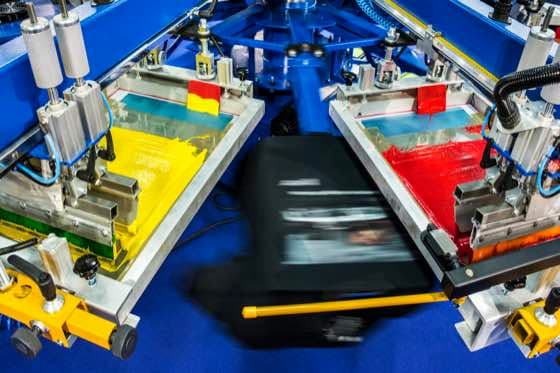
Use it when the order meets the confirmed minimum, the artwork uses a few spot colors, and the goal is the lowest practical per-piece price at volume.
Explore screen printingMethod comparison
Both methods make durable custom apparel, but they solve different jobs. Screen printing gains value on large runs with a few solid colors. DTF stays flexible for smaller quantities, full-color art, and mixed fabrics.
The quick answer
Use it when the order meets the confirmed minimum, the artwork uses a few spot colors, and the goal is the lowest practical per-piece price at volume.
Explore screen printingUse it for a smaller run, detailed or photographic art, mixed garment types, performance fabric, or a workflow without screen setup.
Explore DTF printingSide by side
The table gives a practical starting point. The exact garment and artwork still need a production review.
Swipe the table to compare both methods.
| Decision factor | Screen printing | DTF printing |
|---|---|---|
| Best for | Large bulk runs | Small and medium runs or one-offs |
| Minimum order | Yes; confirmed for the specific setup | None |
| Setup / screen fee | Yes, based on required screens | None |
| Cost per piece | Strongest value at higher volume | Strong value at low and medium volume |
| Colors | Best for a few solid spot colors | Full color, gradients, and fine detail |
| Photographic detail | Limited | Excellent |
| Fabrics | Commonly cotton and cotton-rich garments | Compatible with many fabrics and colors |
| Turnaround | Includes screen preparation and setup | Rush-friendly when artwork, stock, quantity, and schedule align |
Make the decision
Common questions
For small and medium orders or full-color designs, DTF is often more economical because there is no screen setup. For large runs with a few solid colors, screen printing typically provides the lower per-piece price.
Both methods are designed to be durable when produced and cared for correctly. The garment, artwork, application, curing, and wash routine all contribute to the result.
DTF handles more colors, gradients, mixed fabrics, and short runs without screen setup. Screen printing remains especially valuable for large quantities of simple spot-color artwork. They solve different production problems.
DTF has no minimum. Screen-print minimums vary with the design, garment, color count, and setup, so we confirm the exact requirement before quoting.
Share the quantity, colors, garment, and deadline. We will recommend the method that fits the result and price—then show you the proof before production.